Encierros by Luis Antonio Trujillo draws record crowd in Tulum
Encierros by Luis Antonio Trujillo drew more than 100 guests to Artery by Bacab Hotel, highlighting contemporary art’s expanding role in Tulum’s cultural and economic landscape.
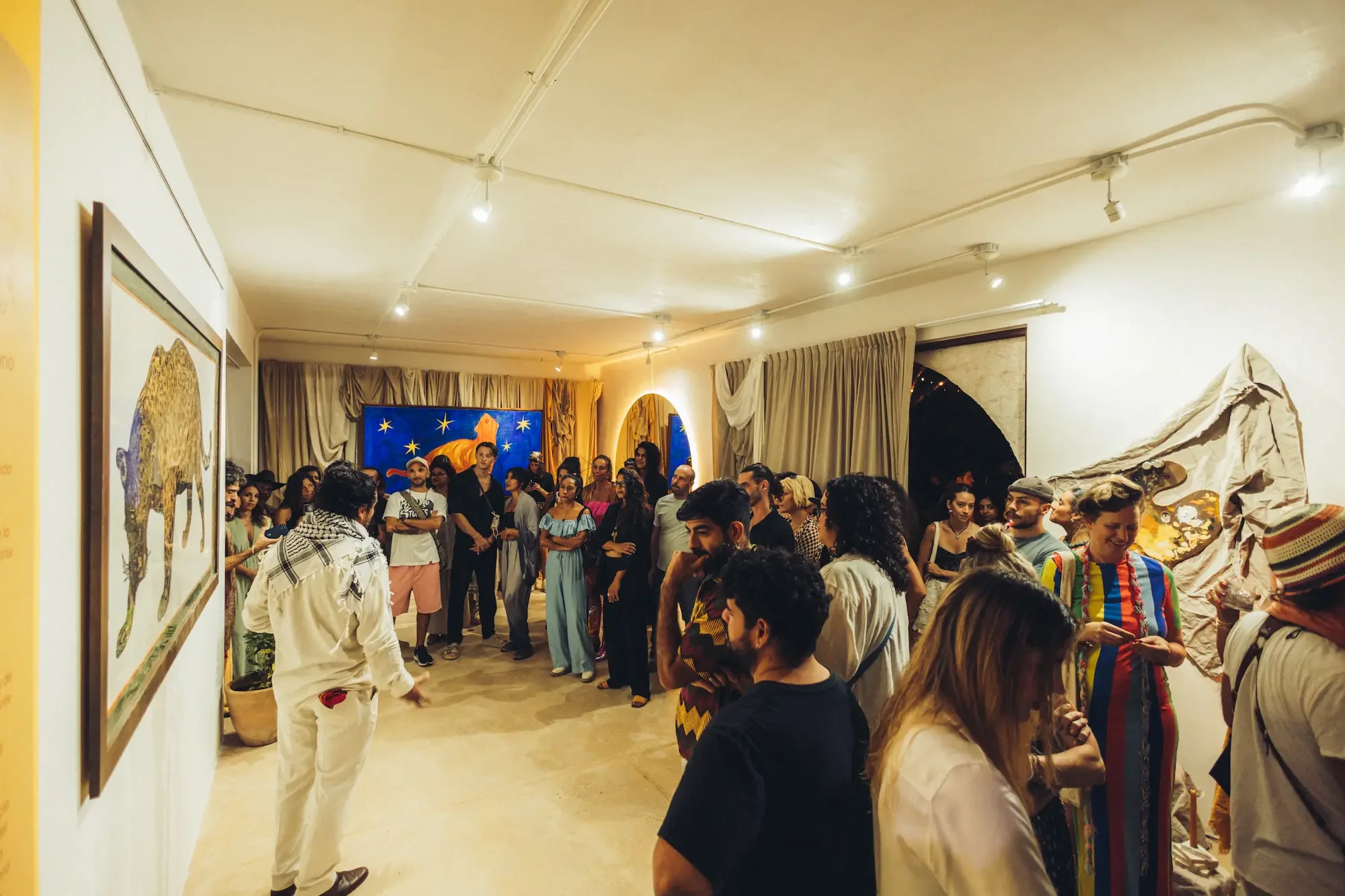
Artery by Bacab Hotel in Tulum hosted its largest and most widely attended exhibition opening to date with Encierros. Apotheosis of a Portrait by Mexican artist Luis Antonio Trujillo, drawing more than 100 guests. The event marked one of the most significant cultural gatherings in Tulum this season and signals a continued shift in the town’s cultural landscape.
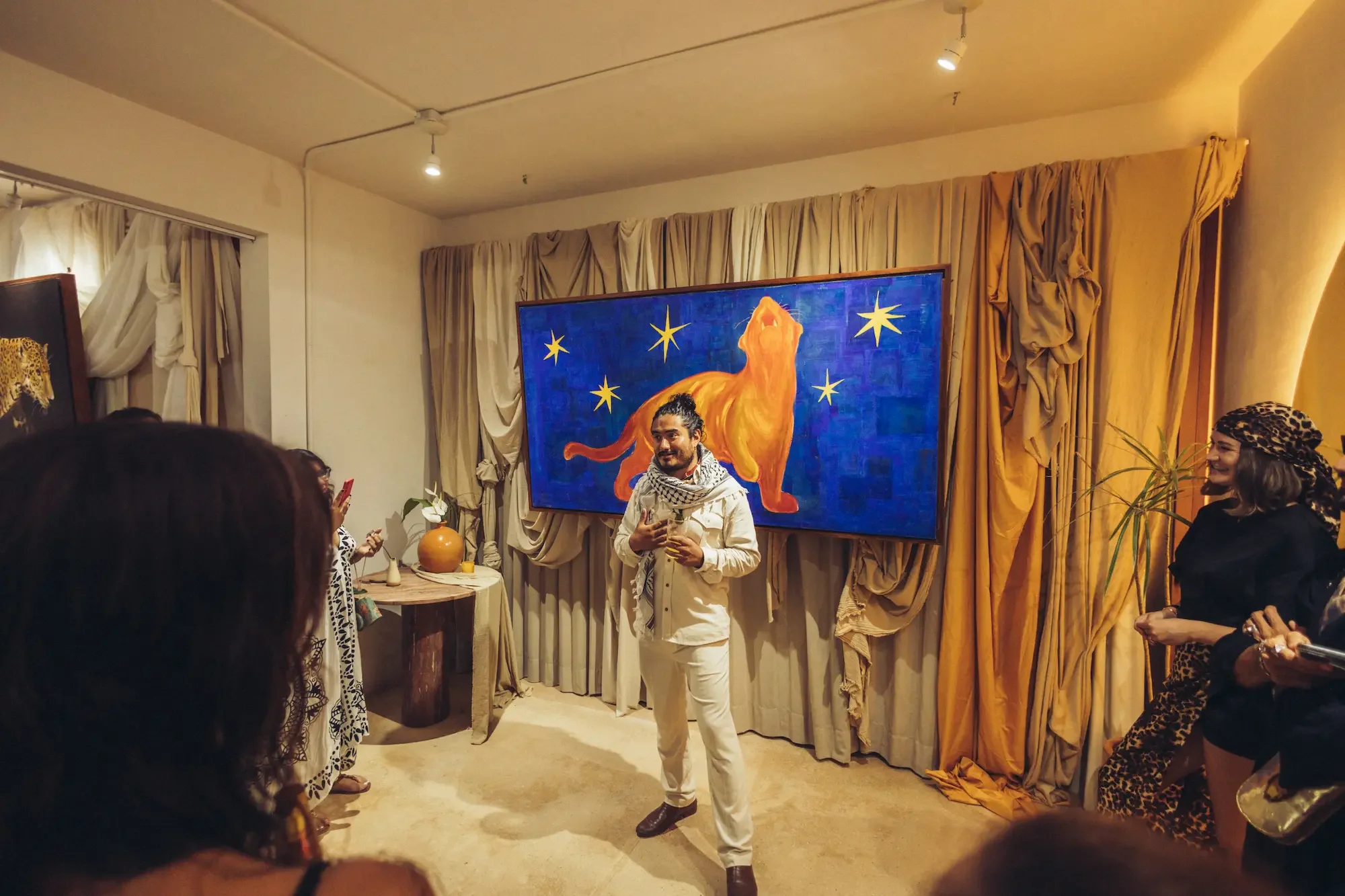
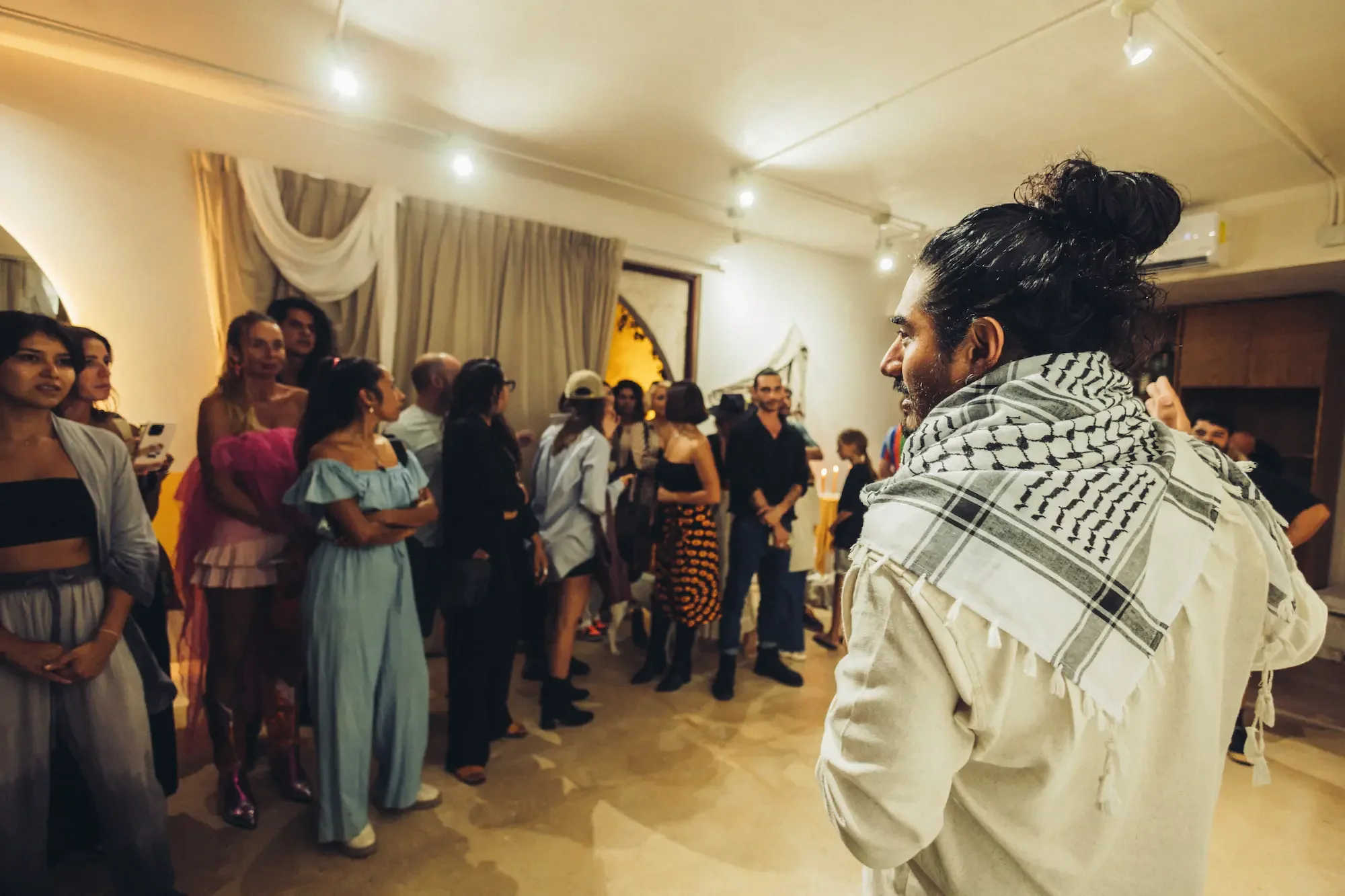
The exhibition opened this week at Artery by Bacab Hotel, bringing together artists, collectors, curators, bloggers, influencers, cultural leaders, and representatives of local government institutions. Live music and dance performances accompanied the opening, and conversations extended until midnight, transforming the gallery into a social and artistic meeting point.
For Tulum, the scale of attendance and the diversity of participants reflect a broader development. Contemporary art is playing a more visible role in the town’s identity, not only as an attraction for visitors but as a growing part of local social life.
Exhibition centers on a single jaguar
Encierros is the result of a year-long study focused on one subject: a jaguar named Odín. Through oil painting, woodcut, etching, Chinese ink, drawing, and watercolor, Trujillo returns repeatedly to the same face and gaze, exploring the idea of presence across multiple visual languages.
The exhibition examines confinement both as a physical condition and as a creative process. While Odín exists within captivity, the artist voluntarily enters a parallel state of concentration and isolation to observe, understand, and reconstruct the animal’s presence. The work does not treat the jaguar as a symbol but as an individual, presented with the depth and dignity traditionally associated with human portraiture.
This approach shapes the experience for viewers. The works invite sustained observation, encouraging a contemplative encounter in which attention becomes central to the viewing process.
What does this mean for Tulum’s audience?
For residents, local creatives, and business owners tied to the hospitality and tourism sectors, events of this scale demonstrate that art programming can draw substantial in-person engagement beyond peak tourism activities. The more than 100 attendees indicate a demand for curated cultural events that extend beyond nightlife or beach-centered offerings.
The presence of local government representatives also suggests that cultural programming is increasingly part of institutional conversations about Tulum’s development. While the exhibition itself is artistic in nature, its scale positions art as part of the town’s broader economic and social strategy.
Artist bridges realism and experimentation
Luis Antonio Trujillo, originally from Xalapa, Veracruz, works as both a painter and printmaker. His practice combines classical realism with multidisciplinary experimentation. He began his career in political cartooning, contributing to publications including El Chamuco and Aristegui Noticias, before transitioning fully into the visual arts.
Trujillo later expanded his work into painting, lithography, engraving, and ink. He completed residencies at La Ceiba Gráfica and studied under Edgar Cano and Sebastián Fund, both members of Mexico’s National System of Art Creators. He currently divides his time between the Mexican Caribbean and his studio in Xalapa, and in 2026 is expected to continue his academic training at the Barcelona Academy of Art.
For Tulum’s creative community, Trujillo’s ongoing presence in the region connects the local scene with broader national and international artistic networks.
The gallery’s role in Tulum’s cultural growth
As Tulum continues to attract international visitors, digital nomads, entrepreneurs, and new residents, cultural institutions are playing a more defined role in shaping the town’s public identity. Exhibitions at Artery by Bacab Hotel have become a recurring feature of the local cultural calendar.
By supporting local painters, sculptors, and multidisciplinary artists, the gallery contributes to a growing creative ecosystem. These events not only serve visitors but also provide a platform for dialogue between local and international audiences.
For business owners and hospitality operators, sustained cultural programming can diversify the town’s appeal. For artists and cultural workers, it offers infrastructure and visibility. And for residents, it expands access to contemporary art without leaving Tulum.
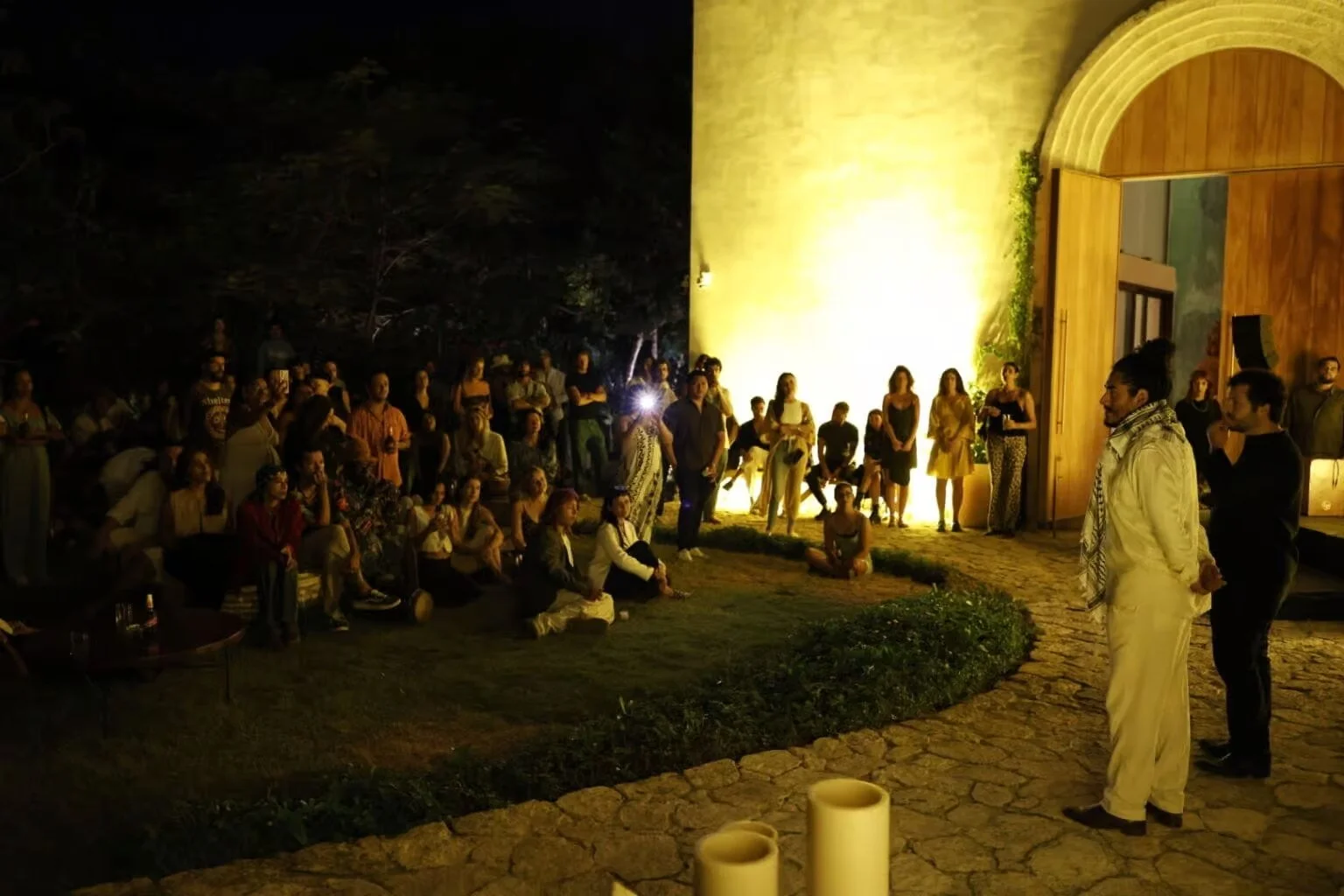
The opening of Encierros underscores that shift. With more than 100 attendees and participation from across the cultural and institutional spectrum, the event illustrates how art spaces are becoming central meeting points within the community.
What changes next is less about a single exhibition and more about momentum. If attendance and institutional interest continue at this scale, art programming could play a larger role in Tulum’s long-term cultural and economic planning. The Encierros exhibition signals that contemporary art in Tulum is no longer peripheral but increasingly integrated into the town’s evolving identity.